Summary of chapter two - Edgar Josué Casarrubias Cárdenas 7A
15 Heat transfer terms
The glossary contains vocabulary and key concepts from the summary of Chapter 2 of the book 'Heat Transfer a practical approach' to get familiar with the terminology.
Boundary conditions
Noun.
A condition that is required to be satisfied at all or part of the boundary of a region in which a set of differential equations is to be solved.
Example: According to the boundary conditions, on the wire surfaces, the tangential component of the total electric field must be zero.
en: Condiciones de frontera.
Emissivity
Noun.
The relative power of a surface to emit heat by radiation.
Example: The amount of thermal radiation depends on the emissivity of the object.
en: Emisividad.
Energy balance
Noun.
Consideration of the energy input, output, and consumption or generation in a process or stage.
Example: In establishing an energy balance, all sources of thermal energy are put on the input side, and all items of heat utilization on the output side.
en: Balance de energía.
Heat conduction equation
Noun.
The partial differential equation that describes the distribution of heat (or temperature field) in a given body over time.
Example: An examination of the one-dimensional transient heat conduction equations for the plane wall, cylinder, and sphere reveals that all three equations can be expressed in a compact form.
en: Ecuación de conducción de calor.
Heat flux
Noun.
The flow of energy per unit of area per unit of time.
Example: A special sensor measures the heat flux.
en: Flujo de calor.
Insulation
Noun.
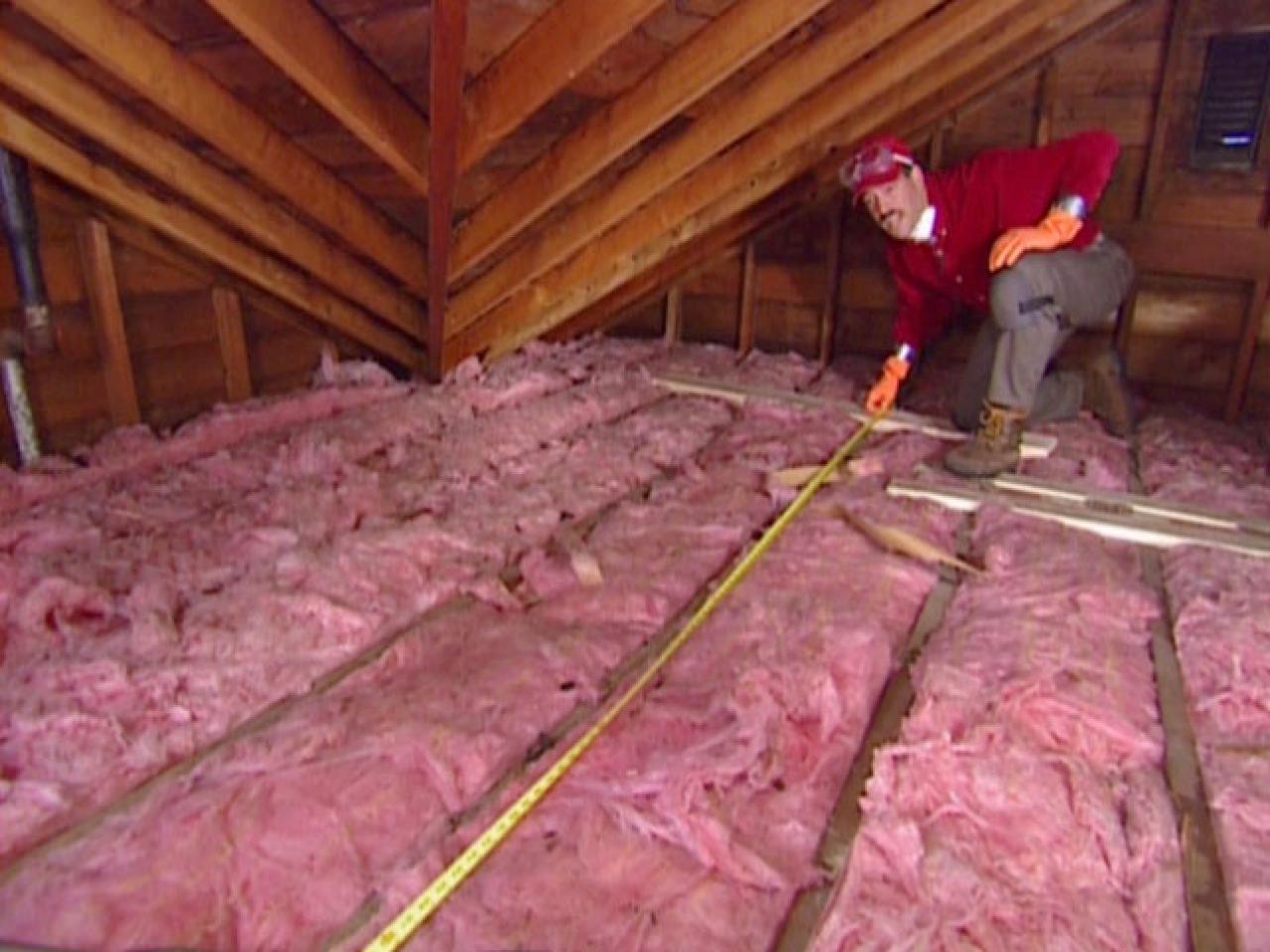
Material that is used to stop heat, sound, or electricity from escaping or entering.
Example: Glass fibre is often used as roof insulation.
en: Aislamiento.
Interface
Noun.
A point where two systems, subjects, organizations, etc. meet and interact.
Example: The interface between oil and water.
en: Interfase.
Internal energy
Noun.
The total amount of energy in a system, equal to the kinetic energy added to the potential energy.
Example: The internal energy of the plasma is distributed in its thermal and ionization energy.
en: Energía interna.
Steady
Adjective.
Firmly fixed, supported, or balanced; not shaking or moving.
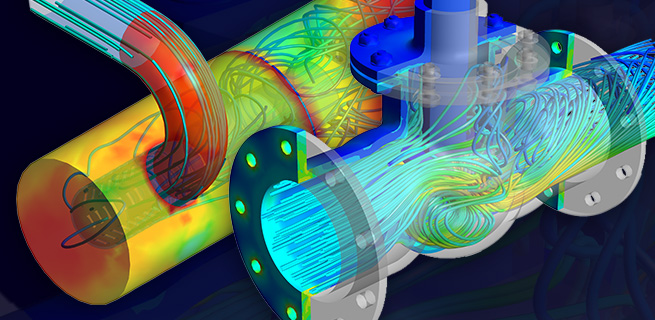
Example: The flow of a fluid is steady if its velocity, pressure and all the numerical values relating to its substance are independent of time at every point in the flow field.
en: Estable.
Stefan–Boltzmann constant
Noun.
Constant of proportionality in the Stefan–Boltzmann law: "the total intensity radiated over all wavelengths increases as the temperature increases".
Example: The Stefan-Boltzmann constant, symbolized by the lowercase Greek letter sigma, is a physical constant involving black body radiation.
en: Constante de Stefan-Boltzmann.
Surrounding
Adjective
All around a particular place or thing.
Example: Electrons are found in the space surrounding an atom's nucleus.
en: Circundante.
Thermal conductivity
Noun.
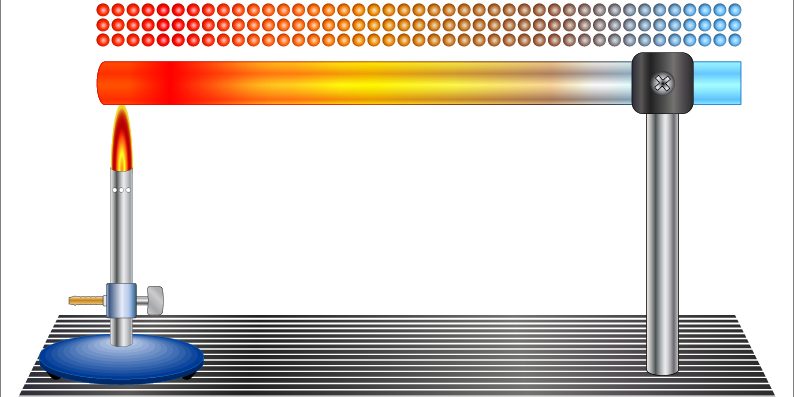
The ability of a material to conduct heat, and it represents the quantity of thermal energy that flows per unit time through a unit area with a temperature gradient of 1° per unit distance.
Example: This ground-breaking new product offers extremely low thermal conductivity.
en: Conductividad térmica.
Thermal diffusivity
Noun.
Thermal conductivity divided by density and specific heat capacity at constant pressure.
Example: The key to a good phase shift depends on its thermal diffusivity.
en: Difusividad térmica.
Thermal symmetry
Noun.
Result of the symmetry in imposed thermal conditions.
Example: Adiabatic boundary and thermal symmetry conditions are often used in heat transfer.
en: Simetría térmica.
Transient
Adjective.
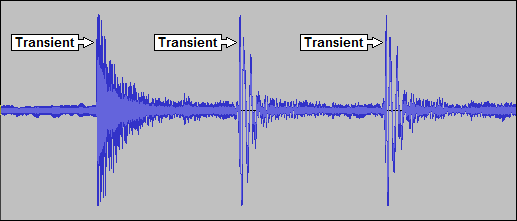
Lasting for only a short time; temporary.
Example: Using the first law of thermodynamics an energy equation is derived, applicable to the transient analysis of engineering two-phase fluid systems.